
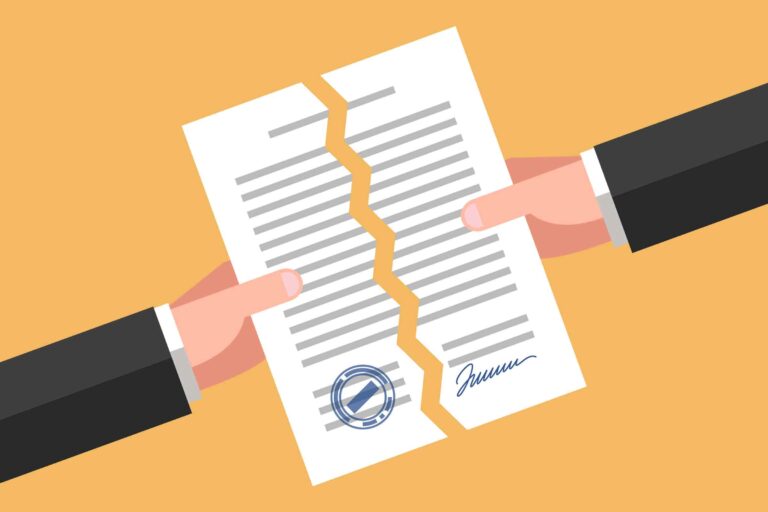
Alternatives to shredding need to achieve an appropriate confidentiality outcome, not simply make a page inconvenient to read. Tearing, colouring over text or putting documents into compost does not reliably establish that outcome.
Choose a route after checking retention and authority to destroy. Keeping a record securely may be the correct decision when disposal is not yet permitted.
Compare the realistic options
| Option | Potential role | Main limitation |
|---|---|---|
| Secure industrial pulping | Treatment through a controlled specialist process | Ordinary recycling collection is not the same |
| Authorised industrial thermal treatment | Suitable specialist waste route where justified | Not an invitation to burn at the office |
| Outsourced shredding | Avoid buying and operating a machine | Still needs custody and supplier checks |
| Managed secure collection | Consolidate approved material for treatment | Container storage alone is not destruction |
| Reduce unnecessary paper | Prevent future confidential waste | Existing records still need a decision |
The appropriate method depends on information, materials, risk and the actual facility.
Why improvised methods are weak
Scissors or hand tearing can leave readable names, account details and large fragments. Redacting the visible side can leave reverse-side information or copies.
Composting is slow and does not provide controlled custody or a timely verified result. Soaking paper in an office container is not the same as an assessed industrial pulping process.
DIY burning can introduce fire, smoke and environmental problems while leaving partly readable material. Use an authorised professional route where thermal treatment is appropriate.
Distinguish recycling from secure destruction
A general recycling stream may expose readable records during collection and sorting. Ask whether a provider’s process protects material until it is rendered suitably unreadable.
The business waste guidance explains environmental responsibilities. Security requirements remain separate.
Compare cost and practicality
An outsourced service may suit an occasional clearance without equipment purchase. A controlled in-house process may suit another workload.
Include preparation, staff time, transport, containers, treatment and evidence. Our shredding cost guide gives published examples.
Do not choose a low-cost method that cannot meet the required confidentiality outcome.
Reduce future paper carefully
Use appropriate digital workflows and controlled printing. A scan should be accurate, usable and properly retained before considering disposal of an original.
The retention and shredding checklist explains why “scan and destroy everything” is not a universal policy.
Can I put confidential paper straight into recycling?
Not while it remains readable unless the contracted process provides the required secure handling and treatment. Ordinary recycling acceptance does not prove confidentiality.
Is redaction a destruction method?
Redaction is usually intended to remove specified information from a released copy while retaining other content. It is not a reliable substitute for whole-record destruction, and it needs its own checks for hidden or recoverable information.